Overview
Date Of Birth: December 8, 1936
Real Name: John Arthur Carradine (birth name widely cited;
Height: Not reliably published
Born: Hollywood, California, United States
Occupations: Actor, martial artist, musician
Notable fact: Star of the martial-arts television series Kung Fu (1972–1975), a defining presence in 1970s American television
Mini Bio
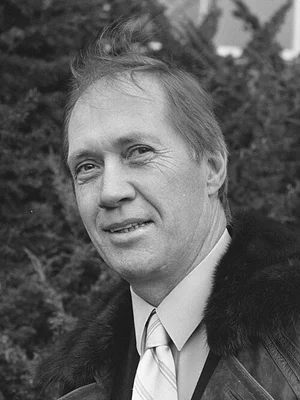
David Carradine emerged as a defining screen presence of the 1970s, most memorably as Kwai Chang Caine in Kung Fu, a role that fused martial arts discipline with Western myth and philosophy. The show, aired in the mid‑1970s, placed him at the centre of a new wave of genre television that blended action with spiritual introspection. Carradine leveraged the fame from Kung Fu into a broader career throughout the 1980s, including appearances in feature films and TV projects that kept him in the public eye. His screen persona—calm, disciplined, with a laconic, ironic edge—made him a recognisable figure in both action and independent cinema. Beyond the Kung Fu reach, he cultivated a reputation for taking on stylistically varied projects, a pattern which continued into later decades with eclectic film and television work.
... David Carradine’s career was shaped by a classical training lineage and a late-1960s/early-1970s shift toward screen acting that married physical discipline with a willingness to explore diverse roles. Born into a renowned acting family, he pursued acting across stage, television, and film, before achieving enduring fame with Kung Fu. The 1980s saw him extend his screen presence through genre fare and television projects, while the 1990s and 2000s brought further visibility in independent cinema and high-profile ensemble pieces. His legacy rests on the craft of his performances and his role in bringing martial arts storytelling to a wide audience, influencing subsequent generations of action actors and creators who examine philosophy, spirituality, and physicality on screen. Then & Now The 1980s In the 1980s Carradine leveraged the fame from Kung Fu to sustain a visible, if eclectic, screen career, appearing in both feature films and television projects that kept his stoic, laconic persona in the public eye. He moved between genre fare—action, westerns and offbeat independent pieces—often cast for the quiet discipline and ironic edge audiences associated with Kwai Chang Caine. Though no single role in the decade rivalled his 1970s breakout, his willingness to take stylistically varied parts reinforced his reputation as a versatile character actor. The period cemented his standing in action and independent cinema while bridging his 1970s stardom with later career reinventions. Now (2026) David Carradine died in 2009, and as of 2026 his chief presence is his legacy: the enduring image of Kwai Chang Caine and his role in bringing martial‑arts‑inflected storytelling into American television and film. His calm, disciplined screen persona and eclectic body of work continue to be rediscovered by fans, cited in retrospectives and studied by filmmakers interested in genre blending and independent cinema. Carradine is remembered both as a pivotal television figure of the 1970s and as a character actor whose long career influenced subsequent generations, securing him a continuing place in discussions of 20th‑century screen history. Career timeline 1936 Birth in Hollywood, California (birth name commonly cited as John Arthur Carradine; later known publicly as David Carradine) 1960s Early screen and stage work, building a versatility that would underpin his later television breakthrough 1972–1975 Starred as Kwai Chang Caine in Kung Fu, establishing a landmark in United States television for martial arts and philosophy-infused storytelling 1981 Appeared in Cannonball Run, a high-energy ensemble film illustrating his bridging of action and comedy across a broad audience 1980s Continued television and film work, maintaining a presence in genre cinema and reunion projects connected to Kung Fu’s legacy 1990s–2000s Expanded into varied film roles and television projects, contributing to a broader late‑career catalog across genres 2003–2004 Appeared in Kill Bill series (widely documented later in career), contributing to a high-profile, genre-blending ensemble 2009 Passed away; his work continued to influence martial arts cinema and television aesthetics 1972–1975 Appeared in Kung Fu as Kwai Chang Caine. Memorable screen quotes “The path is clear if you listen to your heart.”Kung Fu (scene-line) (1970s) “A warrior’s strength is quiet.”Kung Fu (scene-line) (1970s) “Sometimes the peace is stronger than the strike.”Kung Fu (scene-line) (1970s) Public reference sources Public biography and credit reference.David Carradine – Wikipedia reference search Public biography and credit reference.David Carradine – IMDb name search Biographical and credit details were checked against David Carradine – Wikipedia reference search, David Carradine – IMDb name search.