Overview
Date Of Birth: January 3, 1956
Real Name: Mel Colm-Cille Gerard Gibson
Height: Not reliably published
Born: Peekskill, New York, United States
Occupations: Actor, film director, producer, screenwriter
Notable achievement: Academy Award for Best Director and Best Picture for Braveheart (1995)
Mini Bio
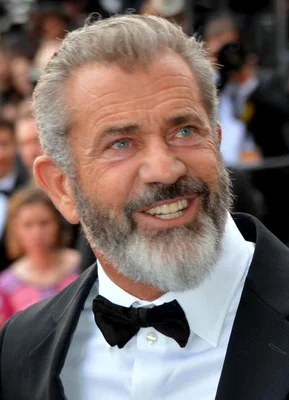
Mel Colm-Cille Gerard Gibson was born in Peekskill, New York, and at a young age moved with his family to Australia, where he trained at the National Institute of Dramatic Art. He began his screen career in Australia, then broke into Hollywood stardom during the 1980s with a string of iconic action and dramatic turns. His breakout as Max Rockatansky in the Mad Max films established him as an international star, while his performance as Martin Riggs in Lethal Weapon (1987) cemented his status as a leading man capable of combining punchy action with emotional depth. The decade also showcased his versatility in projects from Gallipoli to The River and Braveheart’s rise, laying the groundwork for a career that would evolve into directing, producing, and long-term influence on modern action and historical cinema.
... Gibson’s origins lie in Australia after his family relocated when he was a boy, where he honed acting at NIDA and began stage work. His early screen career blended Australian productions with English-speaking roles, and he quickly drew attention for his intensity and charisma. The 1980s marked his development into a genuine global star, with performances ranging from the frontier grit of Mad Max to the war drama Gallipoli, and the hard-edged humour of Lethal Weapon. Moving behind the camera, he established Icon Productions and began directing with The Man Without a Face (1993), culminating in Braveheart (1995) — a breakthrough that earned him the Academy Awards for Best Director and Best Picture. His 2000s projects, including The Passion of the Christ (2004) and Apocalypto (2006), reinforced his reputation as a filmmaker who blends spectacle with ambition, shaping a legacy that continues to provoke discussion about cinema and artistry in the modern era. Then & Now The 1980s In the 1980s Mel Gibson rose from Australian-trained actor to international star, breaking out as Max Rockatansky in the Mad Max films and earning acclaim for the war drama Gallipoli. His portrayal of Martin Riggs in 1987’s Lethal Weapon cemented him as a leading man who could combine visceral action with emotional depth, while performances in films like The River showed his versatility. The decade established his global box-office appeal and laid the groundwork for his later work as a filmmaker and producer. Now (2026) As of 2026 Gibson remains an active and influential figure in film, alternating between on-screen roles and directing or producing through his Icon Productions banner. He has rebuilt a reputation behind the camera with high-profile projects and still takes occasional acting parts that draw on his action-hero legacy. Whether or not audiences agree with his public persona, his impact on modern action cinema and historical epics endures as the defining element of his legacy. Career timeline 1979 Appeared in Mad Max as Max Rockatansky. 1981 Appeared in The Road Warrior as Max Rockatansky. 1981 Appeared in Gallipoli as Frank Dunne. 1987 Appeared in Lethal Weapon as Martin Riggs. 1989 Appeared in Lethal Weapon 2 as Martin Riggs. 1995 Appeared in Braveheart as William Wallace. 2000 Appeared in The Patriot as Benjamin Martin. 2004 Appeared in The Passion of the Christ as Jesus. 2002 Appeared in Signs as Graham Hess. Interview and reference sources Gibson indicated in a Primetime interview that he would act again only if the script was truly extraordinary.Diane Sawyer Primetime interview (Feb 2004) The New Yorker interview addressed his controversial remarks and his broader artistic aims.The New Yorker interview (Sept 7, 2003) Gibson later issued an apology for his 2006 DUI incident.Public statements (July 2006) Biographical and credit details were checked against Mel Gibson - Wikipedia, Mel Gibson - Wikiquote, Braveheart - Wikipedia, The Passion of the Christ - Wikipedia, Lethal Weapon - Wikipedia.