THE ARCADE INVASION
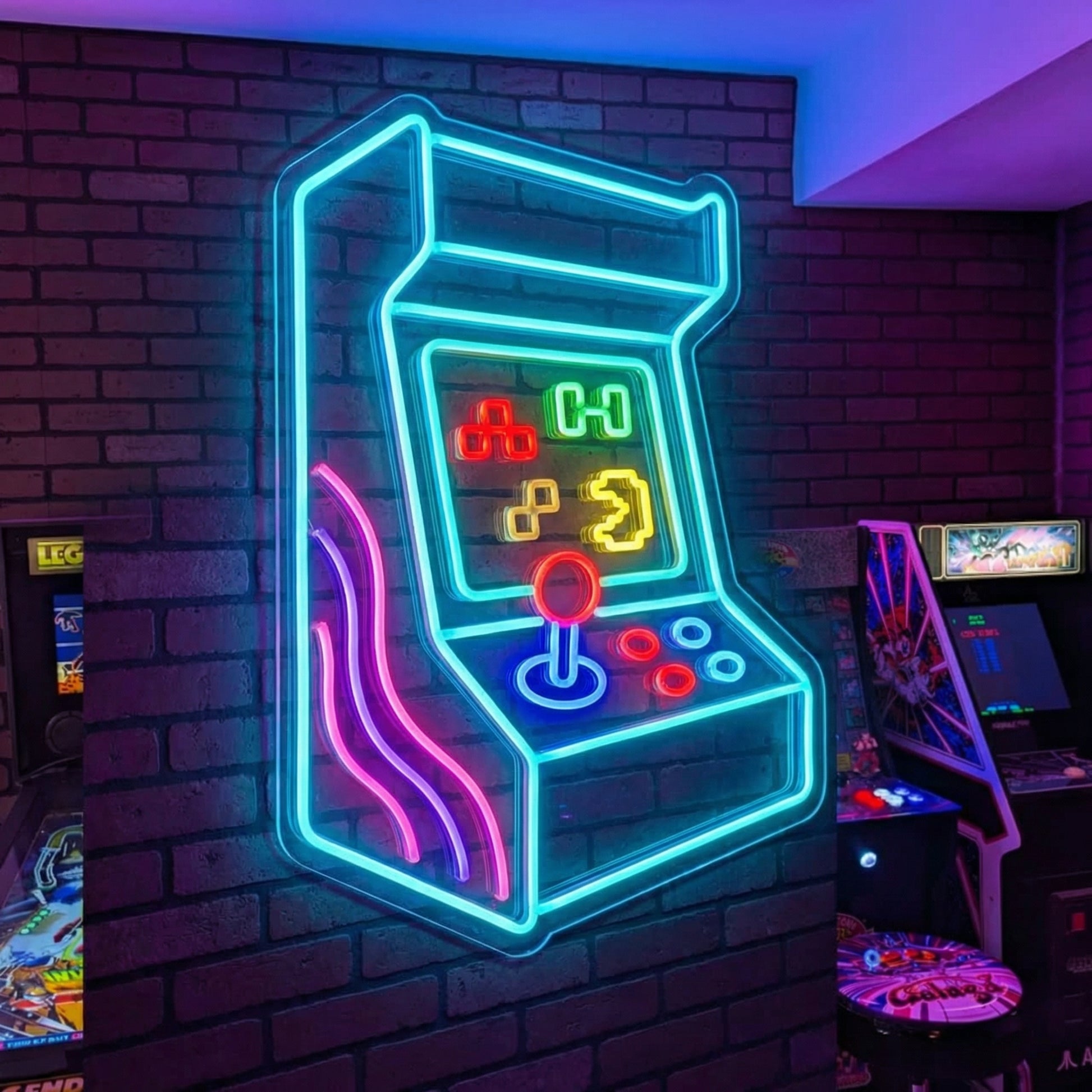
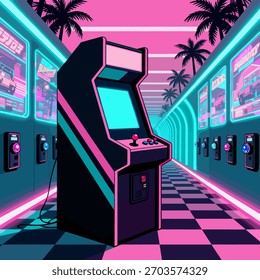
Step through the sticky plastic strip curtains of any seafront amusement arcade in the summer of 1986, and you are immediately assaulted by a cacophony of synthesized explosions, digitized speech, and the relentless thumping of electronic bass. This is the frontline of the digital revolution. While politicians debate the Cold War and parents worry about video nasties, the youth of Britain are spending their 10p coins fighting off alien armadas, driving red Ferraris, and guiding yellow circles through neon mazes.
The arcade has replaced the youth club and the park as the primary social hub for teenagers. It is a meritocracy based entirely on hand-eye coordination and reaction times. Your social standing is determined not by the clothes you wear or the school you attend, but by whether your three initials are at the top of the high score table on the Defender machine in the corner. The high score table is the only truly democratic institution in Britain in 1986.
The hardware driving these machines is advancing at a terrifying pace. Just a few years ago, we were captivated by the monochrome, blocky graphics of Space Invaders and Asteroids. Today, we are witnessing the dawn of the 'Super Scaler' era, spearheaded by Sega. Games like Out Run and Space Harrier use dedicated hardware to scale and manipulate 2D sprites so rapidly that they create a convincing illusion of 3D space. When you sit in the hydraulic moving cabinet of Out Run, grip the steering wheel, and select 'Magical Sound Shower' on the in-game radio, you aren't just playing a game — you are experiencing a theme park ride.
But the arcade experience is under threat — not from moral panic or lack of interest, but from inside the home. The home microcomputer revolution, led by Sir Clive Sinclair and his ZX Spectrum, has brought gaming into the living room. For the price of a few dozen arcade credits, you can own a machine capable of playing thousands of games. The economics are undeniable, even if the experience is not quite the same.
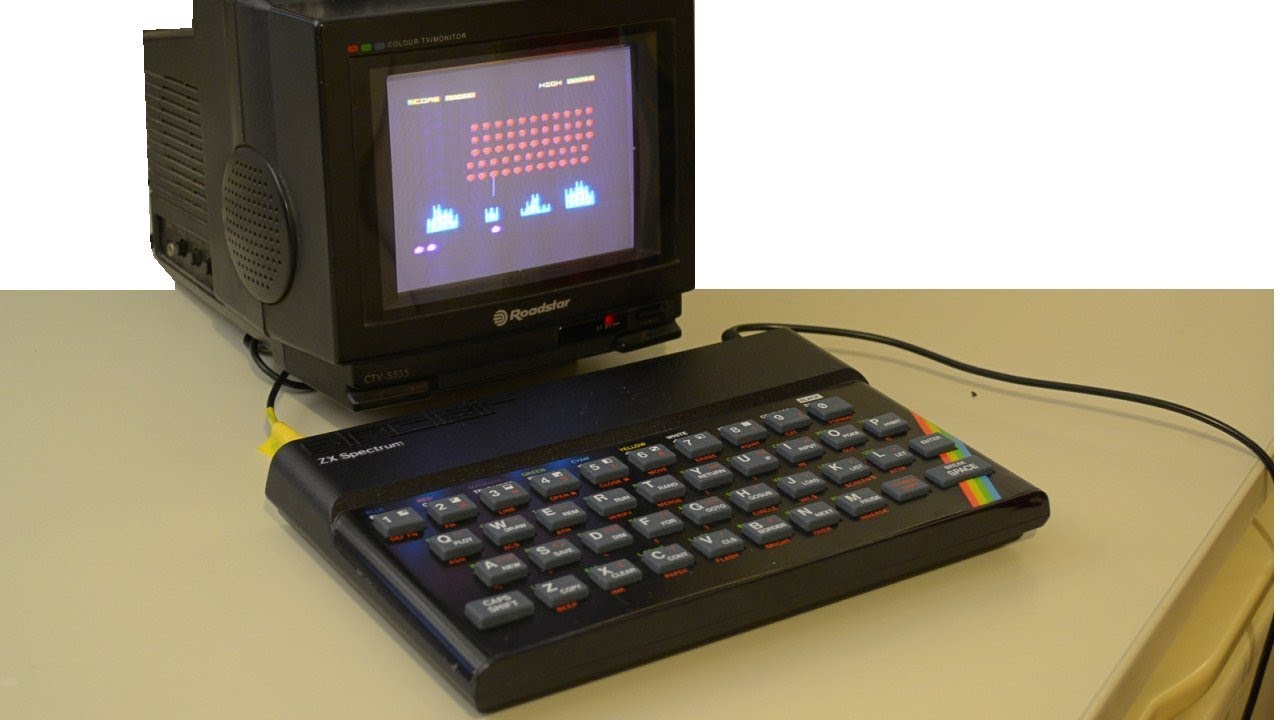
The ZX Spectrum, with its distinctive rubber keyboard and rainbow motif, is an icon of British engineering. It requires patience — loading a game from a standard C15 audio cassette takes five agonizing minutes of screeching audio data, and there's always a chance the load will fail at the last second, resulting in the dreaded 'R Tape loading error, 0:1'. But when it works, it's magic. Games like Jet Set Willy, Elite, and Knight Lore offer experiences that are deeper and more complex than the quick-thrill, coin-guzzling arcade games.
The Commodore 64 is the American heavyweight in this contest. More expensive than the Spectrum, it boasts superior graphics capabilities and the legendary SID sound chip — a piece of hardware so musically sophisticated that dedicated composers have built entire careers around its three oscillators and programmable filters. Games on the C64 simply sound better, and for many players, that is the end of the argument.
The Amstrad CPC 464 occupies an interesting middle ground. Alan Sugar's all-in-one solution comes with a built-in tape deck and a colour monitor, making it the most complete package out of the box. It lacks the cult following of the Spectrum and the sonic prowess of the C64, but it is a practical, reliable machine that has found a loyal audience among parents who want to buy their children a computer without the hassle of sourcing a separate monitor and tape player.
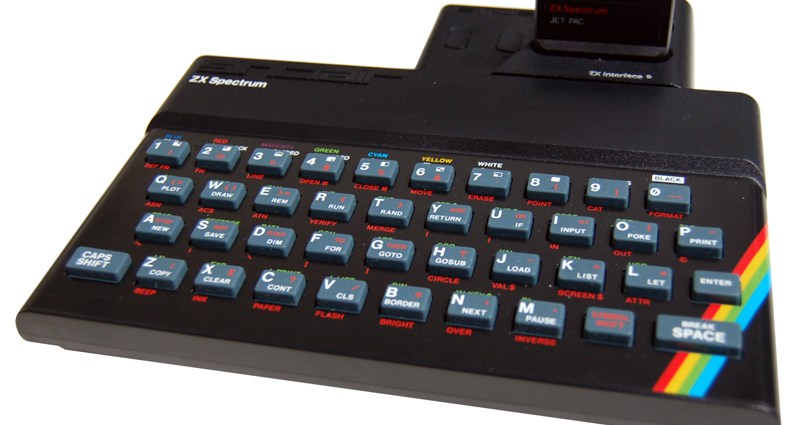
This has led to a fascinating dichotomy in gaming culture. The arcade is for spectacle, for cutting-edge graphics and social performance. The home micro is for endurance, for puzzle-solving, and for the solitary pursuit of mastering complex mechanics over weeks rather than minutes. Software houses like Ultimate Play The Game and Ocean are pushing the humble Z80 processor of the Spectrum to do things Sir Clive never imagined when he designed the machine in 1982.
Yet, the arcade still holds a unique allure. The sheer physical presence of the cabinets, the custom controls — trackballs, steering wheels, light guns — and the social atmosphere cannot be replicated on a 14-inch portable TV in a bedroom. The arcade is an event. It is a place you go, not a place you are. And as long as Sega and Taito continue to produce hardware that is simply beyond the capabilities of any home computer, the arcade will remain relevant.
The games in our Top 10 reflect a shift in arcade design philosophy. In the early 80s, games were designed to be impossible to beat, purely to extract coins as quickly as possible. Now, games are offering a sense of progression. Out Run has distinct stages and multiple endings. Gauntlet allows you to buy health with real money, effectively allowing you to purchase your way deeper into the dungeon. It is a more sophisticated relationship between player and machine.
As we look to the future, it's clear that the gap between the arcade and the home will eventually close. The next generation of 16-bit home computers, like the Commodore Amiga and Atari ST, are already beginning to offer arcade-quality graphics and sound. But for now, in 1986, the arcade remains king of the spectacle. So next time you have a pocket full of change, head down to the seafront, find the glowing cabinet of Out Run, grip the wheel, and put your foot down. The high score table needs a new champion.