
▶ Explore the Decade ◀
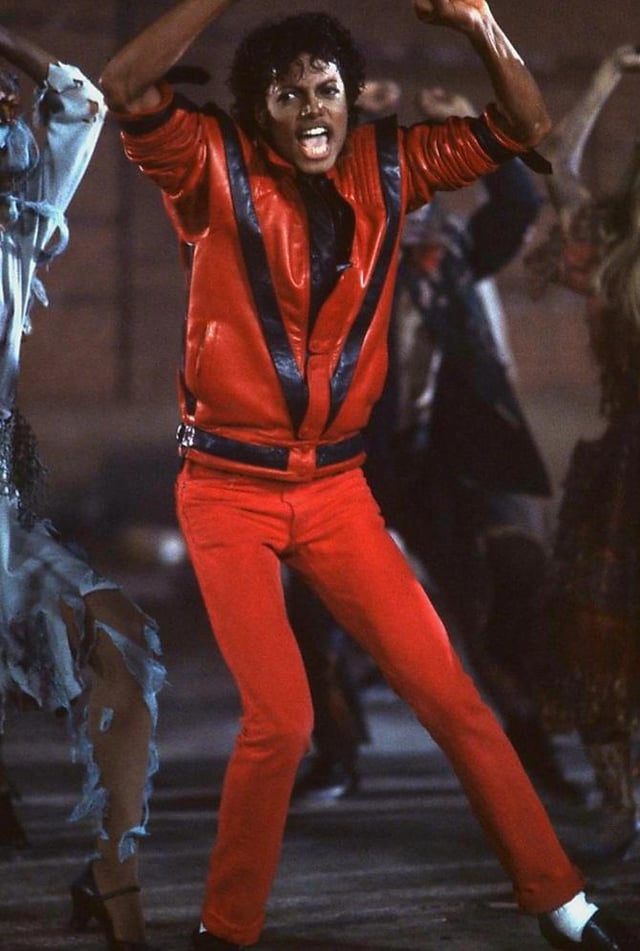
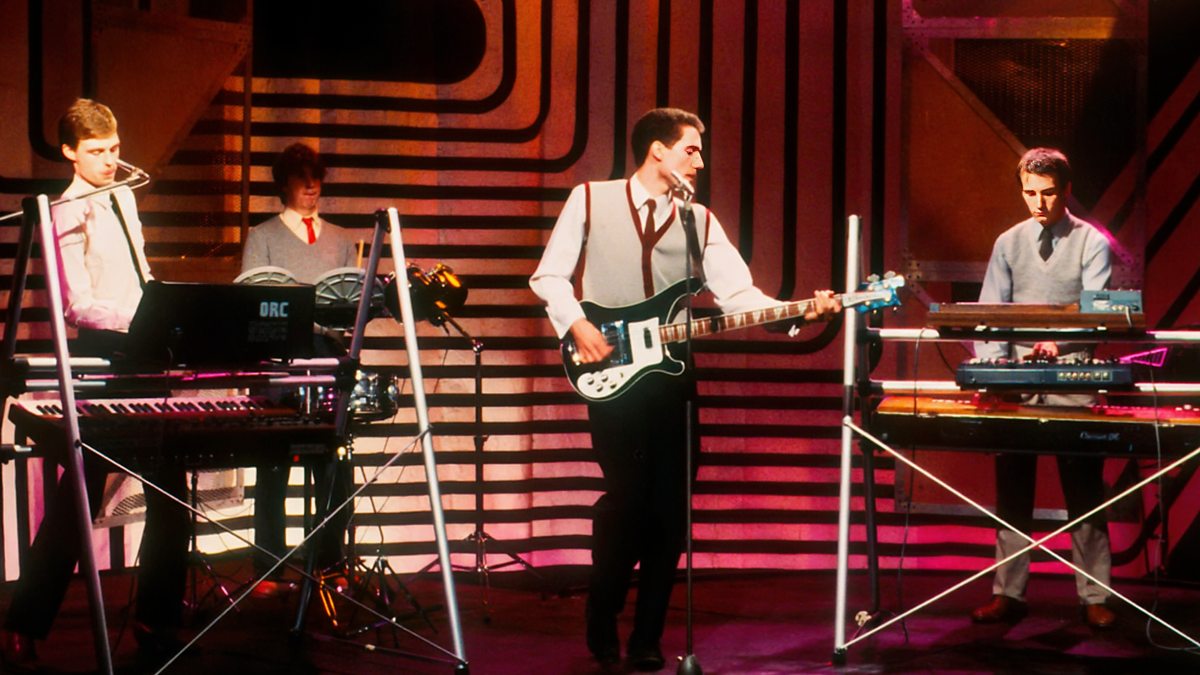
1980s Music
Synth-pop, new wave, power ballads and the birth of hip-hop — the decade that changed music forever
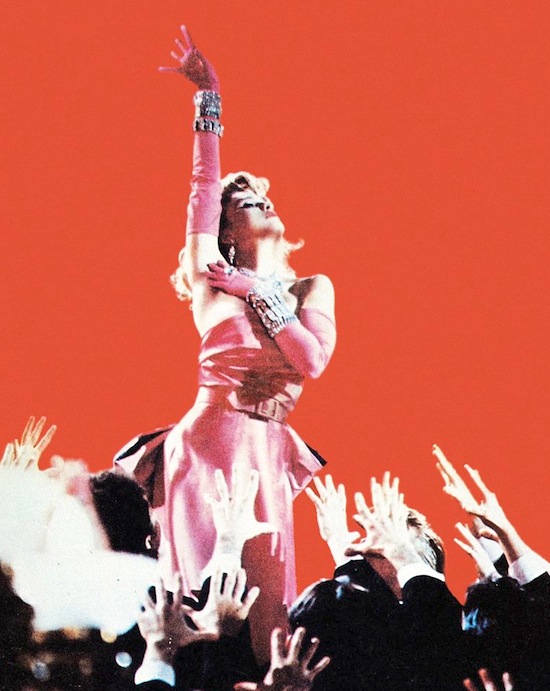
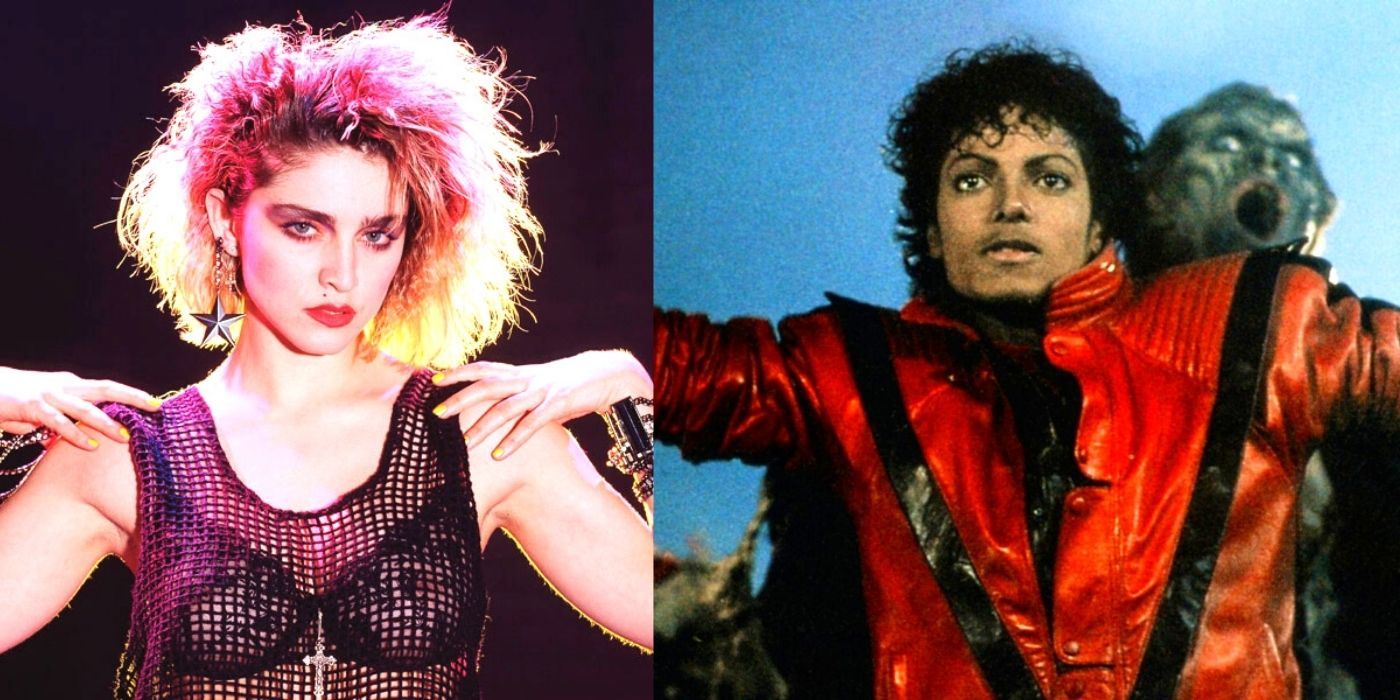
The 1980s music scene was a vibrant explosion of genres, defined by the rapid evolution of technology and the visual revolution of MTV. Synthesizers became the backbone of chart-topping hits, giving rise to iconic synth-pop and new wave anthems. Meanwhile, stadium rock bands delivered massive power ballads, and the underground streets of New York birthed hip-hop, a genre that would eventually dominate the globe. It was an era where image was just as important as sound, turning artists into larger-than-life superstars whose fashion and music videos dictated youth culture worldwide.

1980s Movies
The golden age of the blockbuster — action, sci-fi, comedy and horror all reached new heights
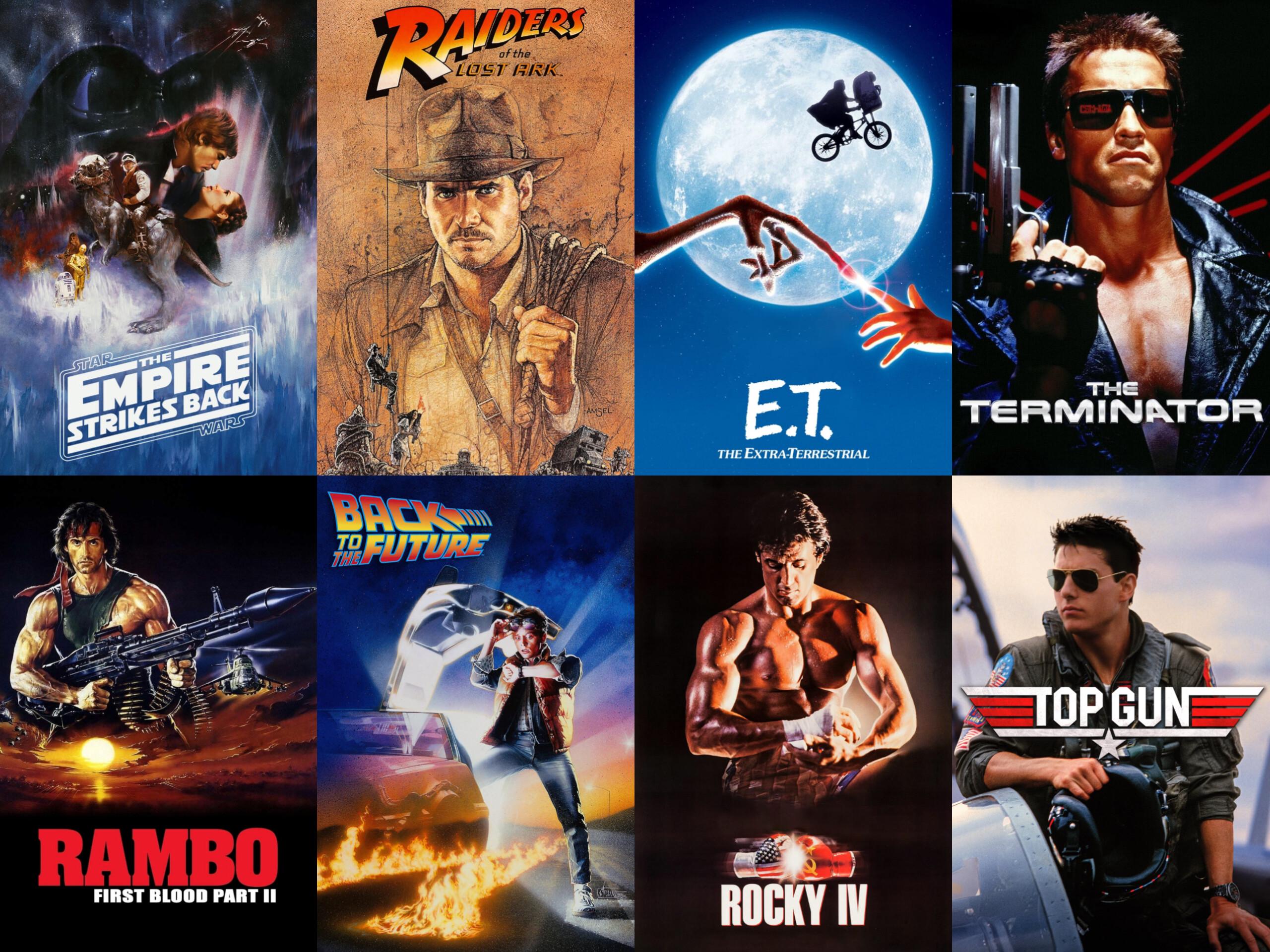
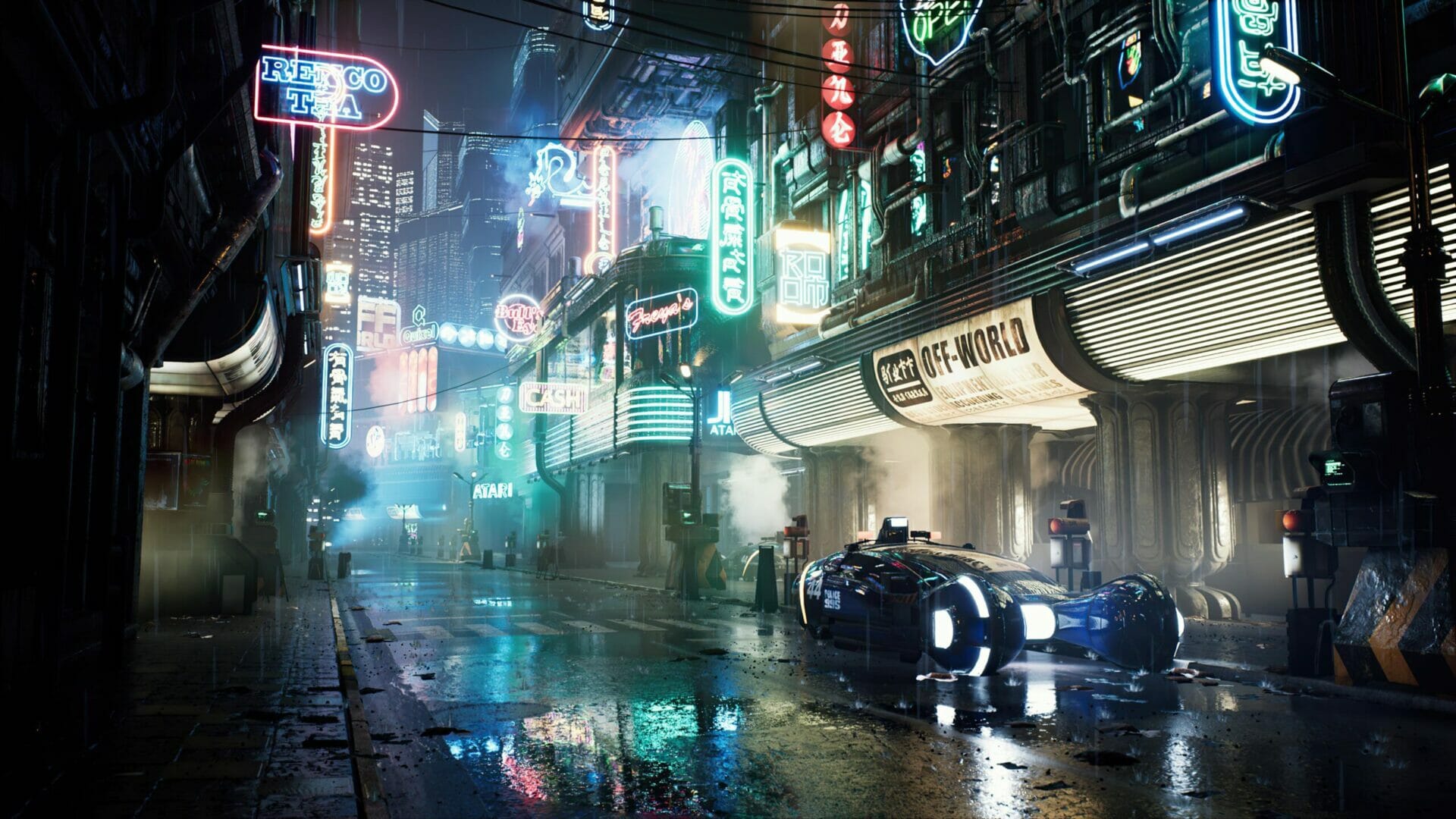
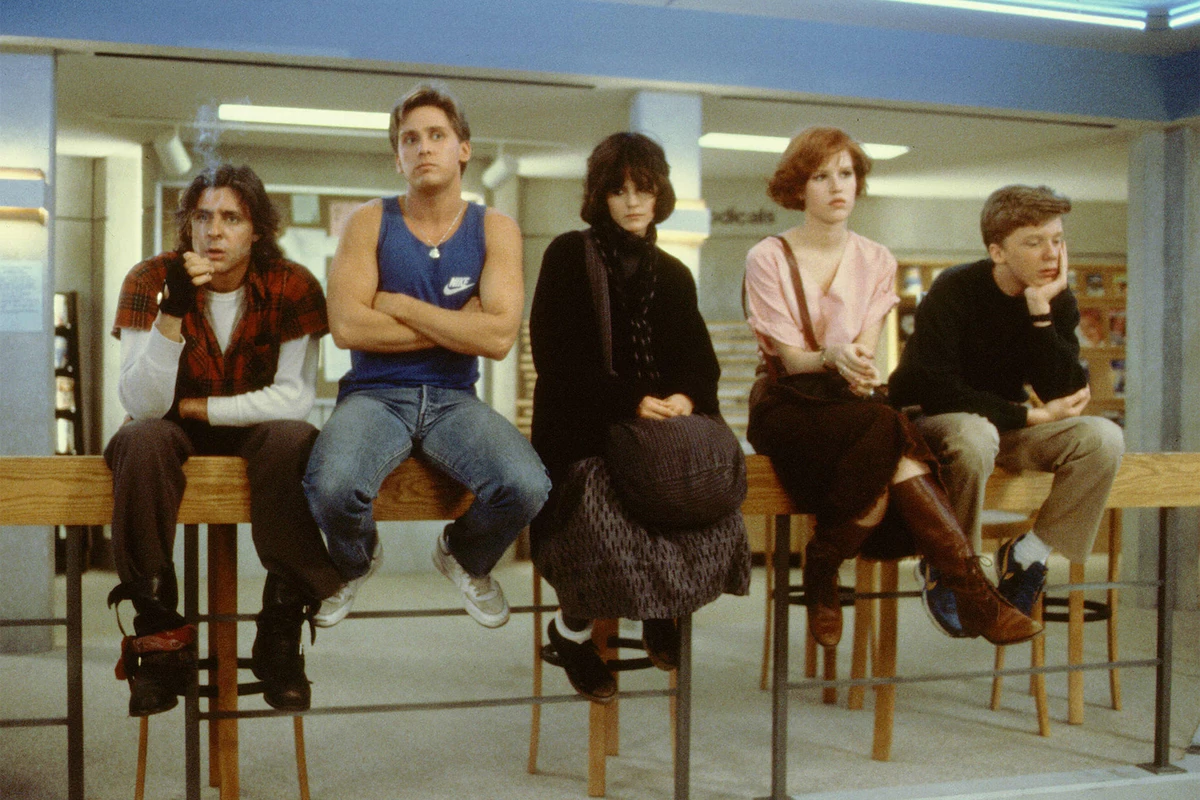
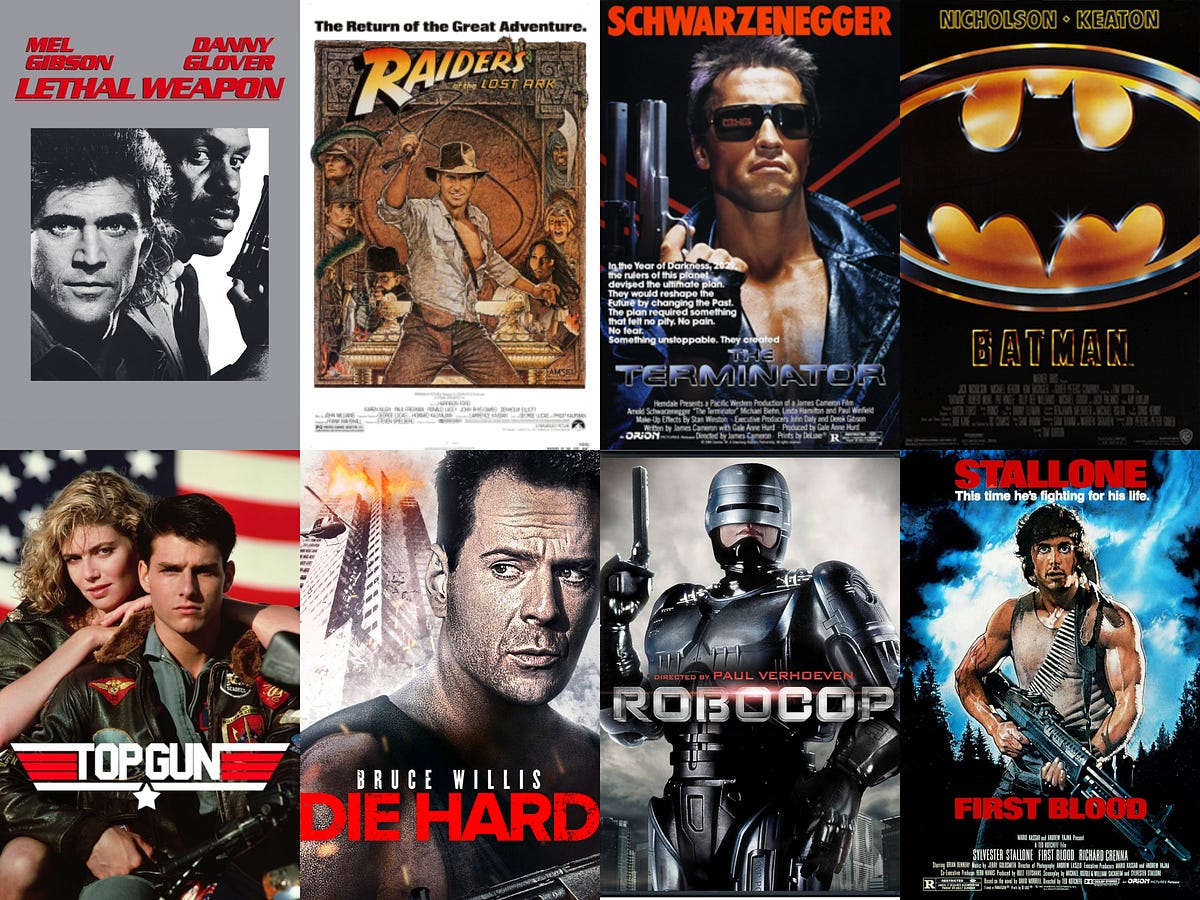
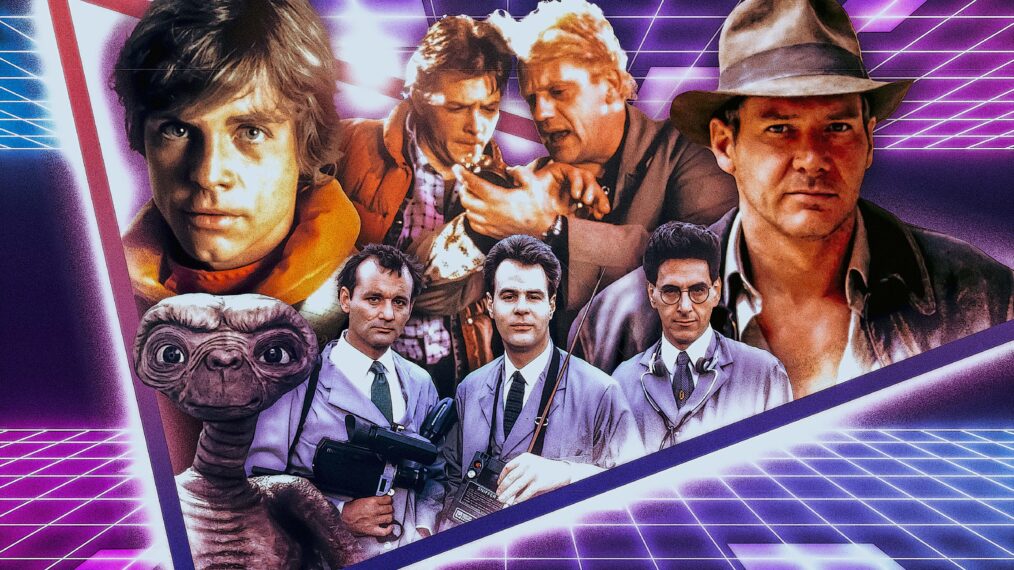
Cinema in the 1980s was defined by the rise of the high-concept blockbuster. It was a golden age where practical effects and groundbreaking storytelling merged to create some of the most beloved franchises in history. From the swashbuckling adventures of Indiana Jones to the neon-soaked dystopia of Blade Runner, films became massive cultural events. Teen comedies captured the awkwardness of adolescence with unprecedented sincerity, while the horror genre enjoyed a slasher renaissance. The multiplex became the ultimate escape, delivering larger-than-life action heroes and unforgettable cinematic magic.
 🎦
🎦
All 1980s Films
The complete guide to 1980s cinema — from blockbusters to cult classics that shaped generations of filmmakers.
Explore Films ▶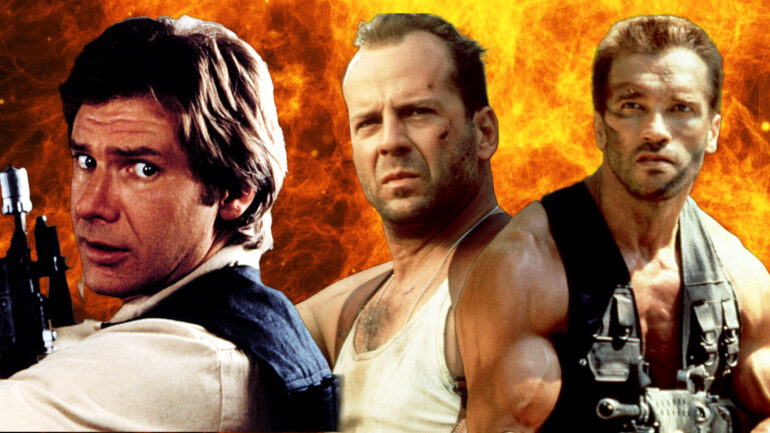 💥
💥
Action Films
Die Hard, Predator, RoboCop, Lethal Weapon — the decade that invented the modern action blockbuster.
Action Films ▶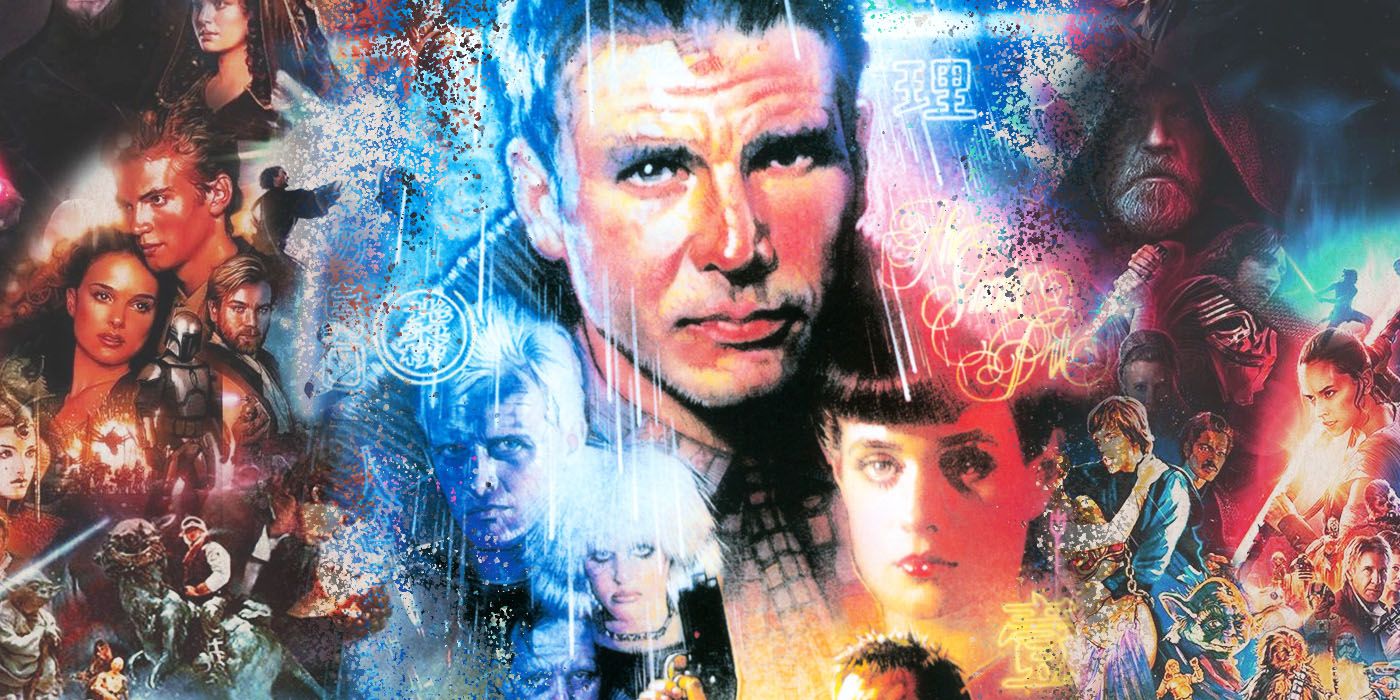 🚀
🚀
Sci-Fi Films
Blade Runner, E.T., The Terminator, Back to the Future — sci-fi reached its creative peak in the 1980s.
Sci-Fi Films ▶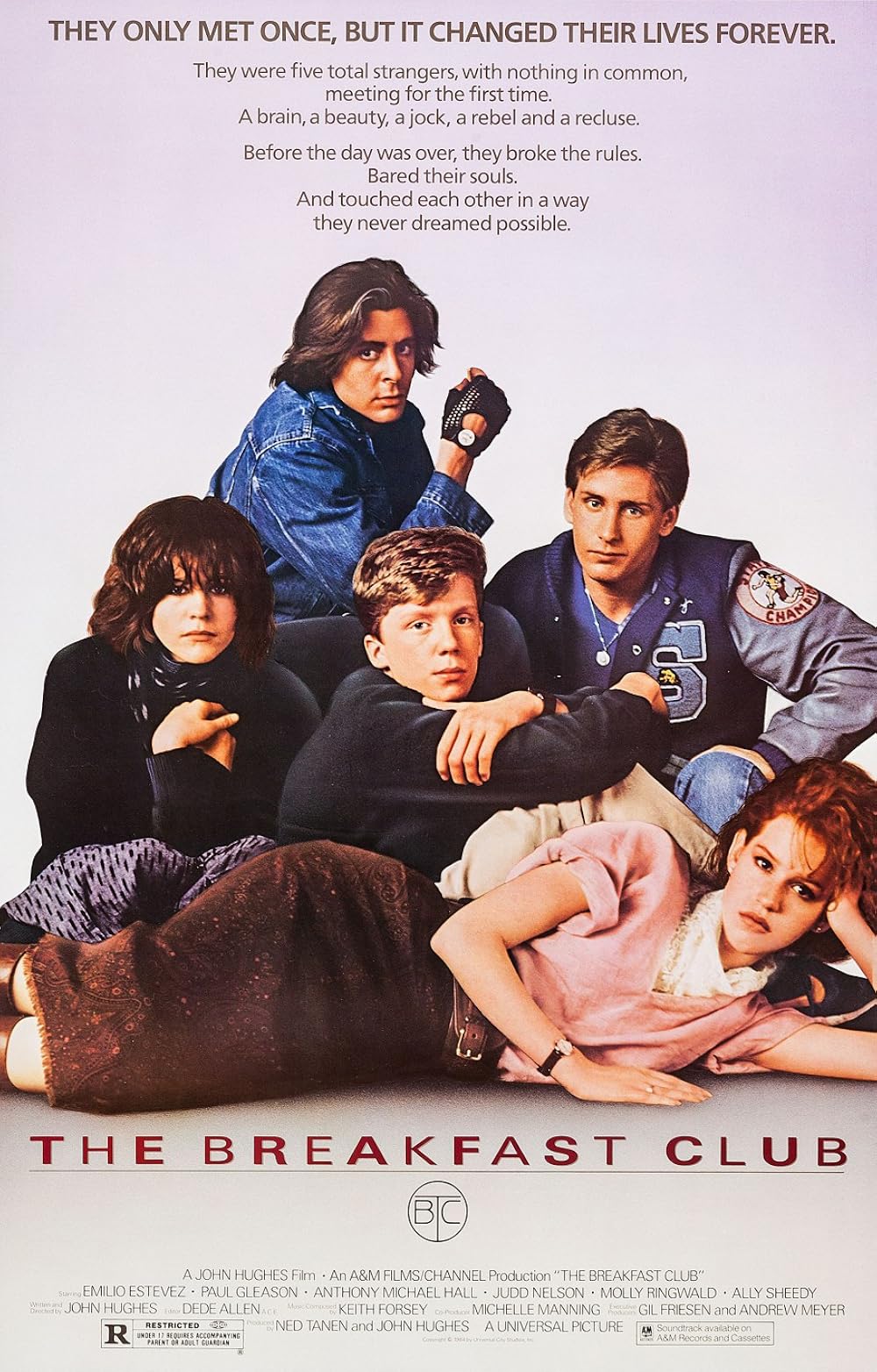 😂
😂
Comedy Films
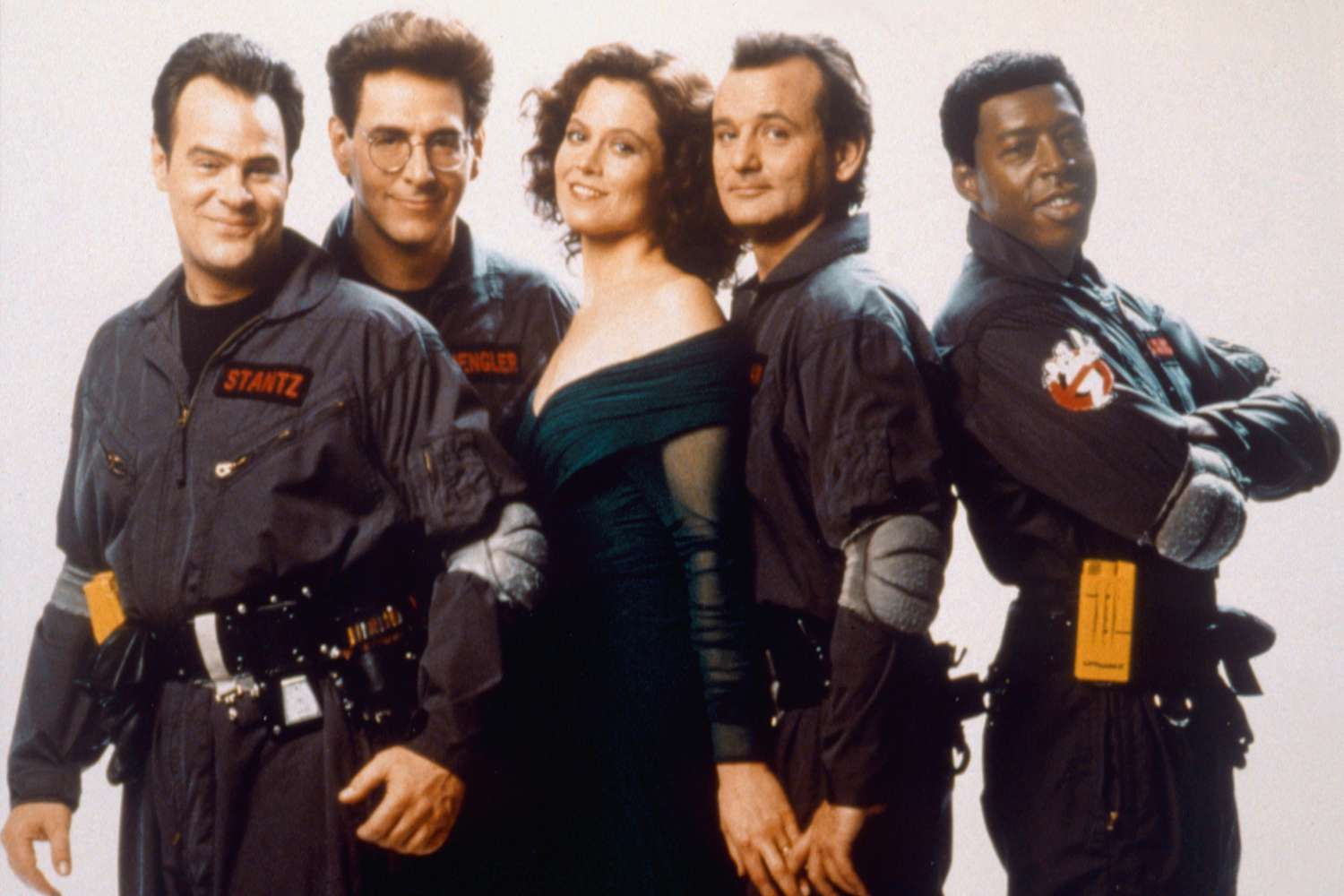
Ferris Bueller, The Breakfast Club, Ghostbusters — John Hughes and co. made the 80s the golden age of comedy.
Comedy Films ▶ 💀
💀
Horror Films
A Nightmare on Elm Street, Friday the 13th, The Shining — the 1980s was the golden decade of horror cinema.
Horror Films ▶1980s Television
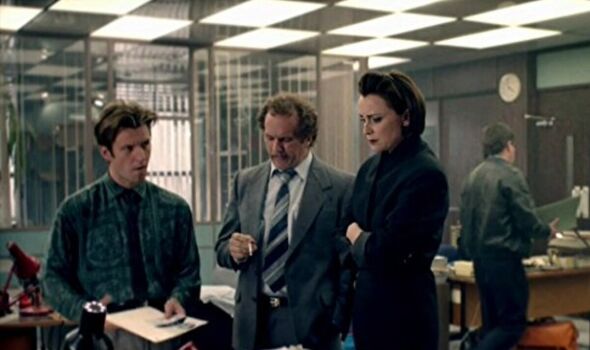
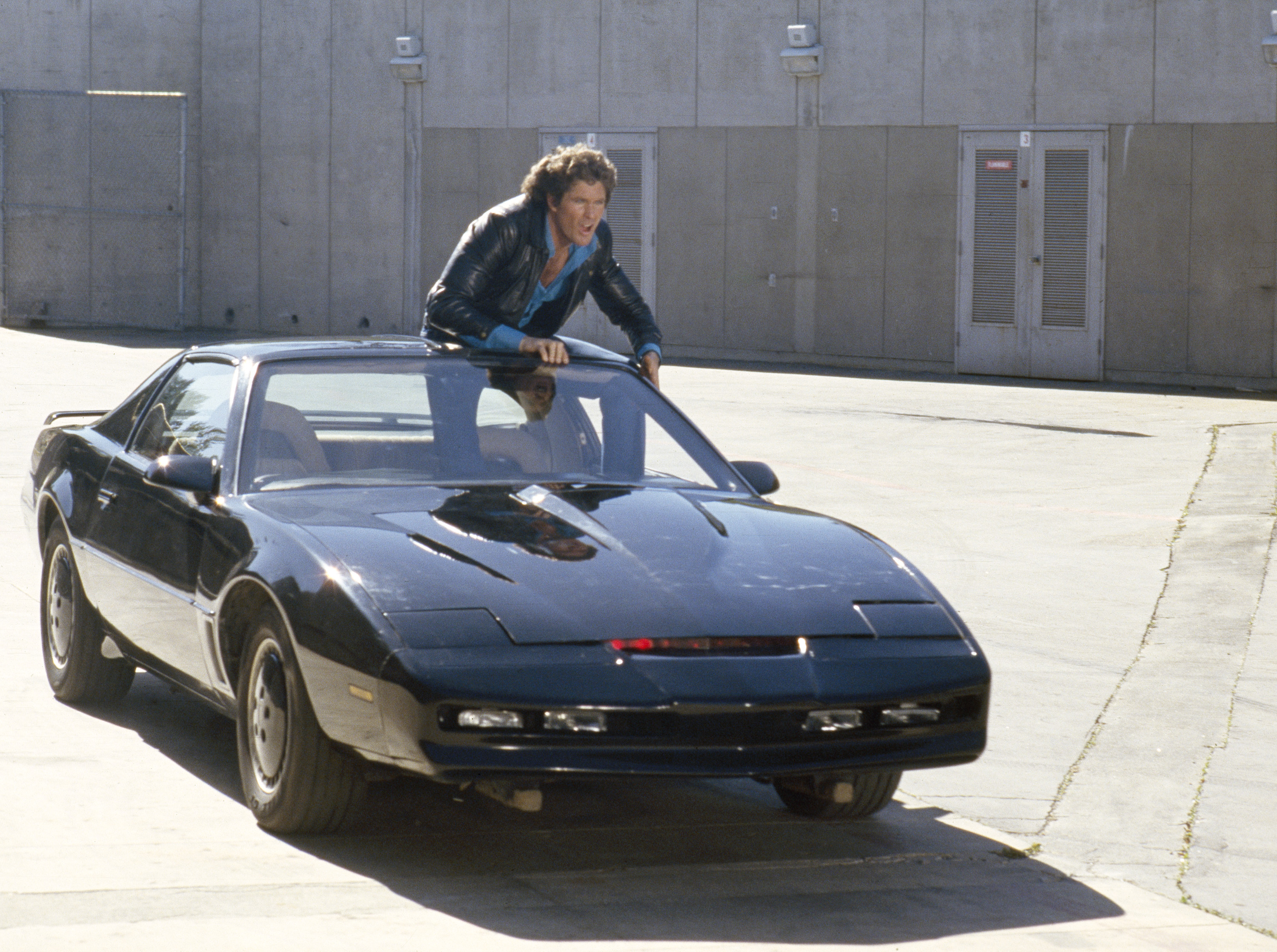
British and American TV at its most inventive — from sitcoms to soap operas to adverts
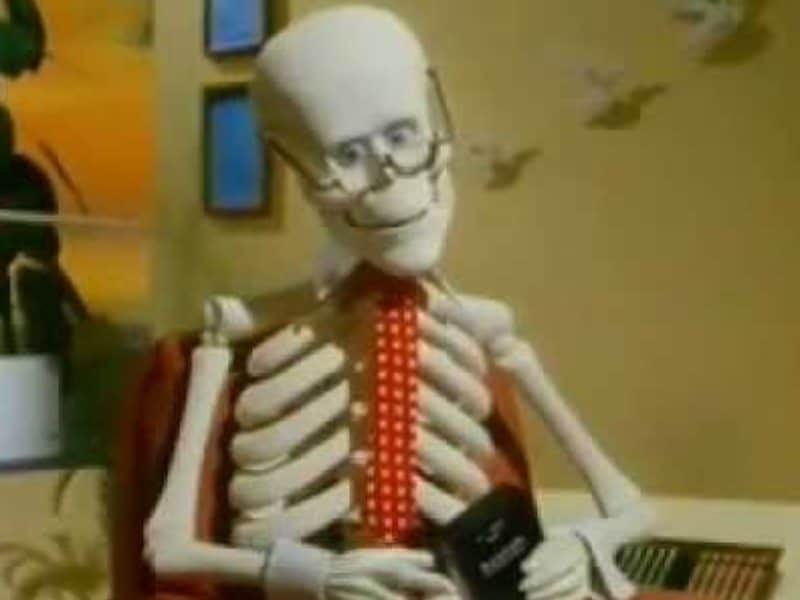
Television in the 1980s was the ultimate shared communal experience, long before the days of streaming and on-demand viewing. Families gathered around the set for appointment viewing, captivated by glossy American prime-time soaps full of wealth and betrayal, and high-octane action series featuring talking cars and renegade mercenaries. Meanwhile, British television delivered a masterclass in razor-sharp wit and unforgettable sitcoms that are still quoted today. Even the commercial breaks were legendary, featuring catchy jingles and bold advertising campaigns that became deeply embedded in the cultural consciousness.
 🇬🇧
🇬🇧
UK Television
Only Fools and Horses, EastEnders, Blackadder, The Young Ones — British TV was bold and unmissable.
UK TV ▶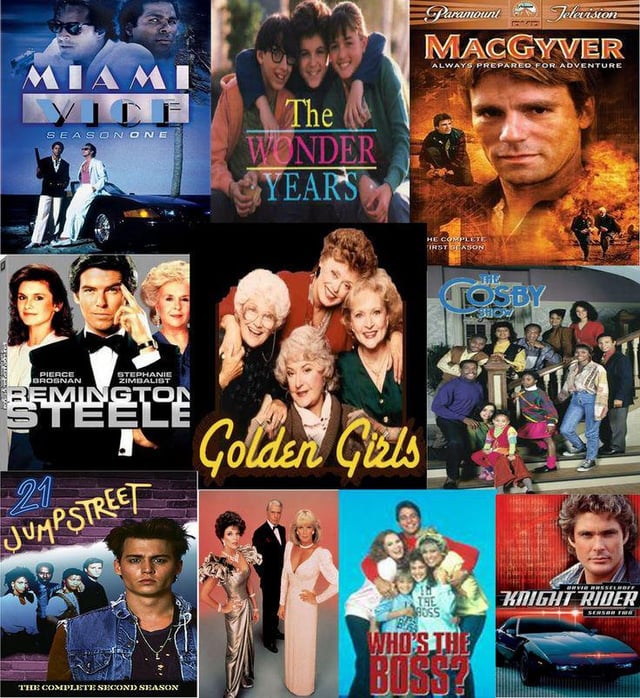 🇺🇸
🇺🇸
US Television
Dallas, Dynasty, Miami Vice, The A-Team, Golden Girls — American TV ruled the world in the 1980s.
US TV ▶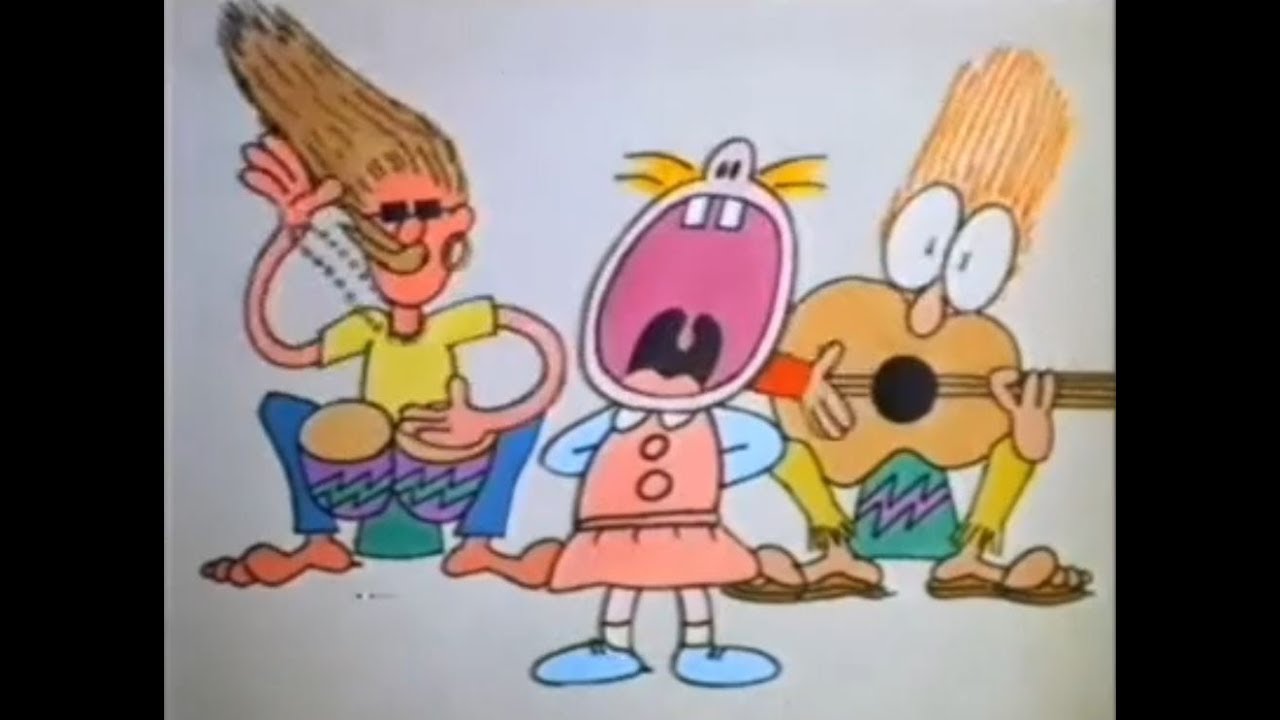 📷
📷
1980s Adverts
The commercials were as iconic as the shows. Relive the classic UK TV adverts that had the nation talking.
View Adverts ▶1980s Gaming
From bedroom coders to global console wars — the 1980s invented modern gaming
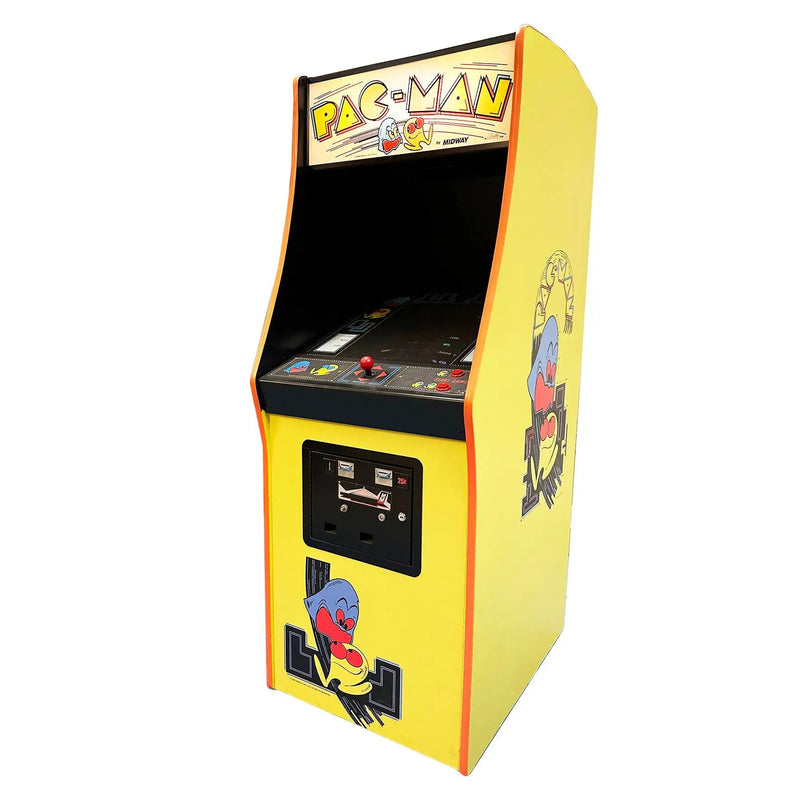
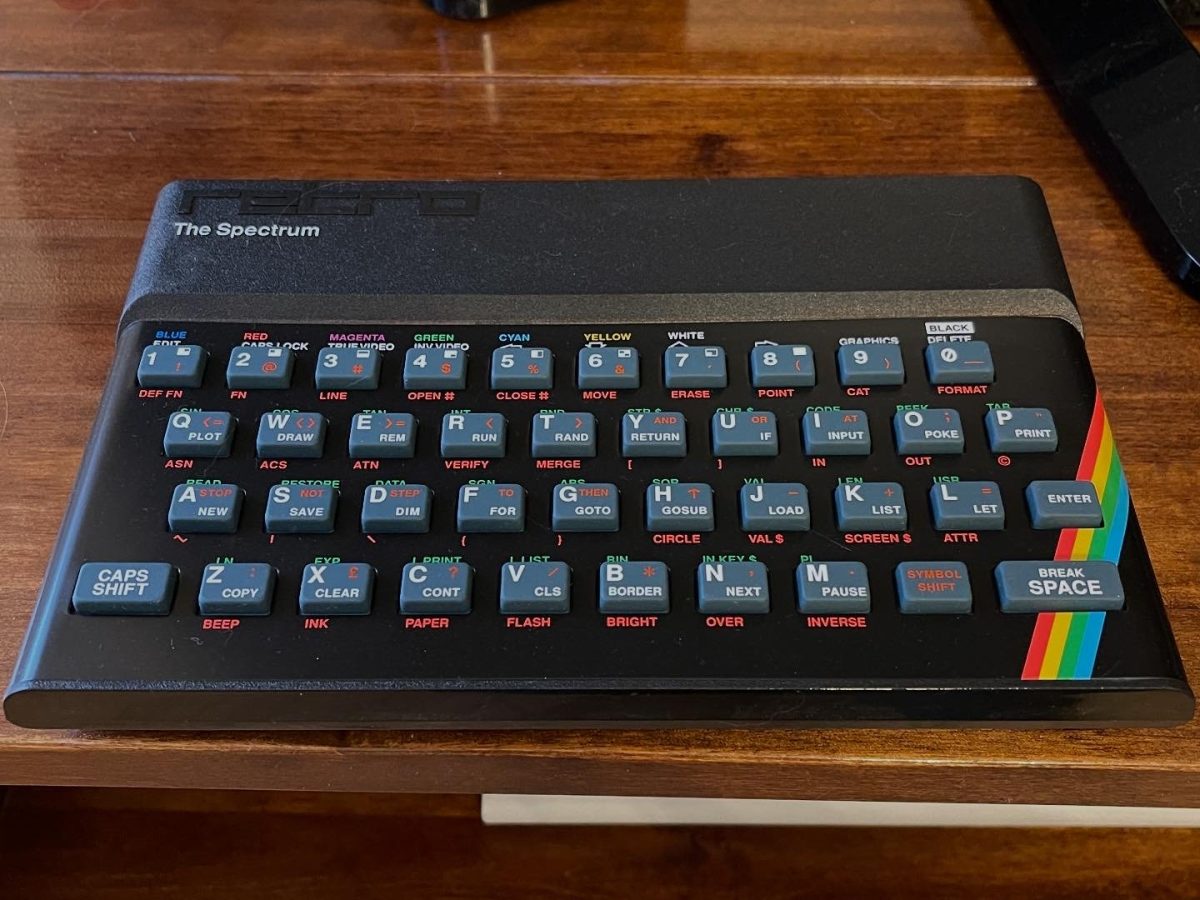
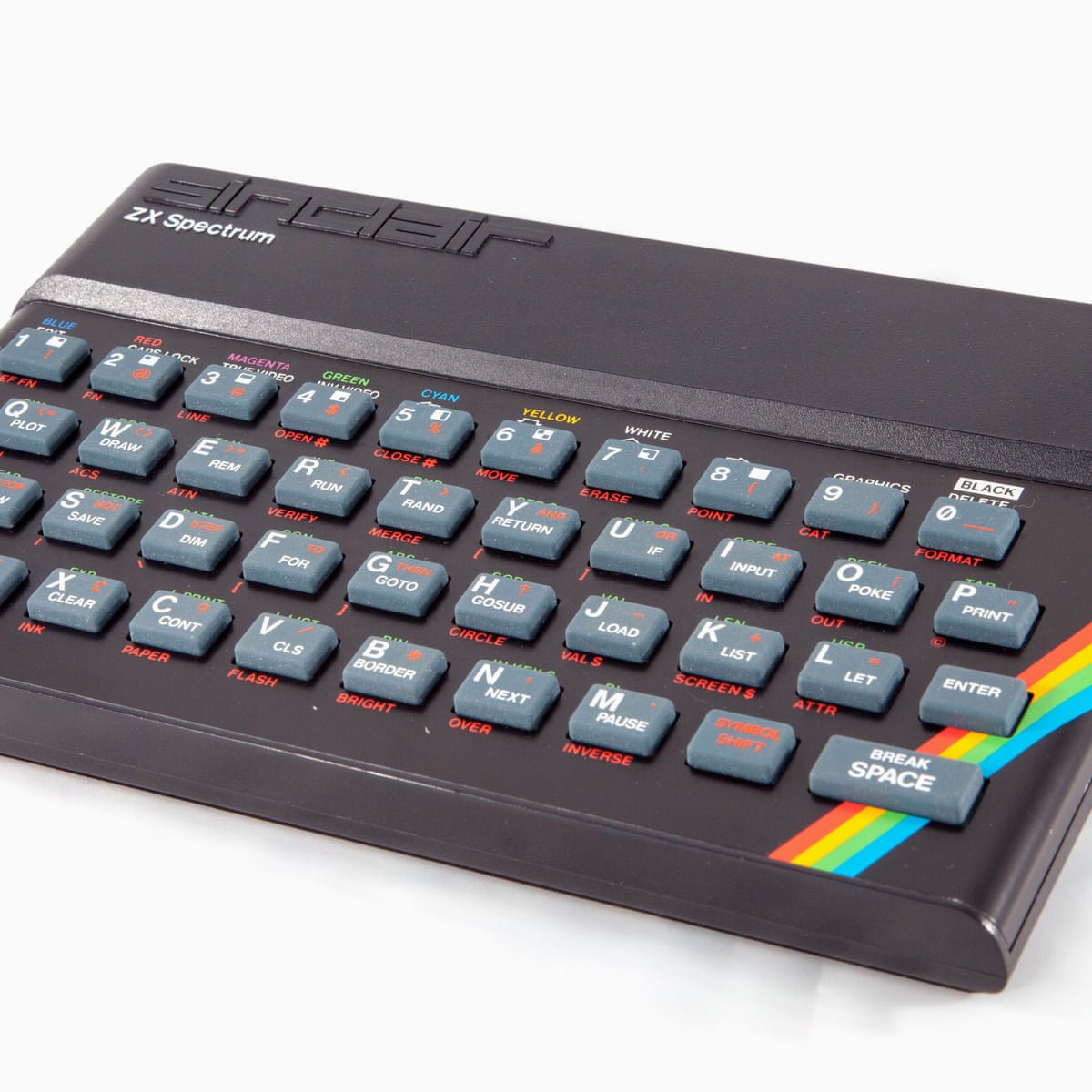
The 1980s witnessed the dramatic birth, crash, and triumphant resurrection of the video game industry. It began in the neon-lit arcades, where teenagers pumped coins into Pac-Man and Space Invaders, fostering a fiercely competitive social culture. Simultaneously, the home computing revolution—led by affordable marvels like the ZX Spectrum and Commodore 64—empowered a generation of bedroom programmers to create their own digital worlds. By the mid-80s, the arrival of 8-bit consoles like the NES brought polished, narrative-driven adventures into the living room, laying the foundational mechanics and iconic characters that define the modern gaming landscape.
 💻
💻
ZX Spectrum
Sinclair's rubber-keyed marvel launched in 1982 and gave birth to a generation of British coders and game developers.
ZX Spectrum ▶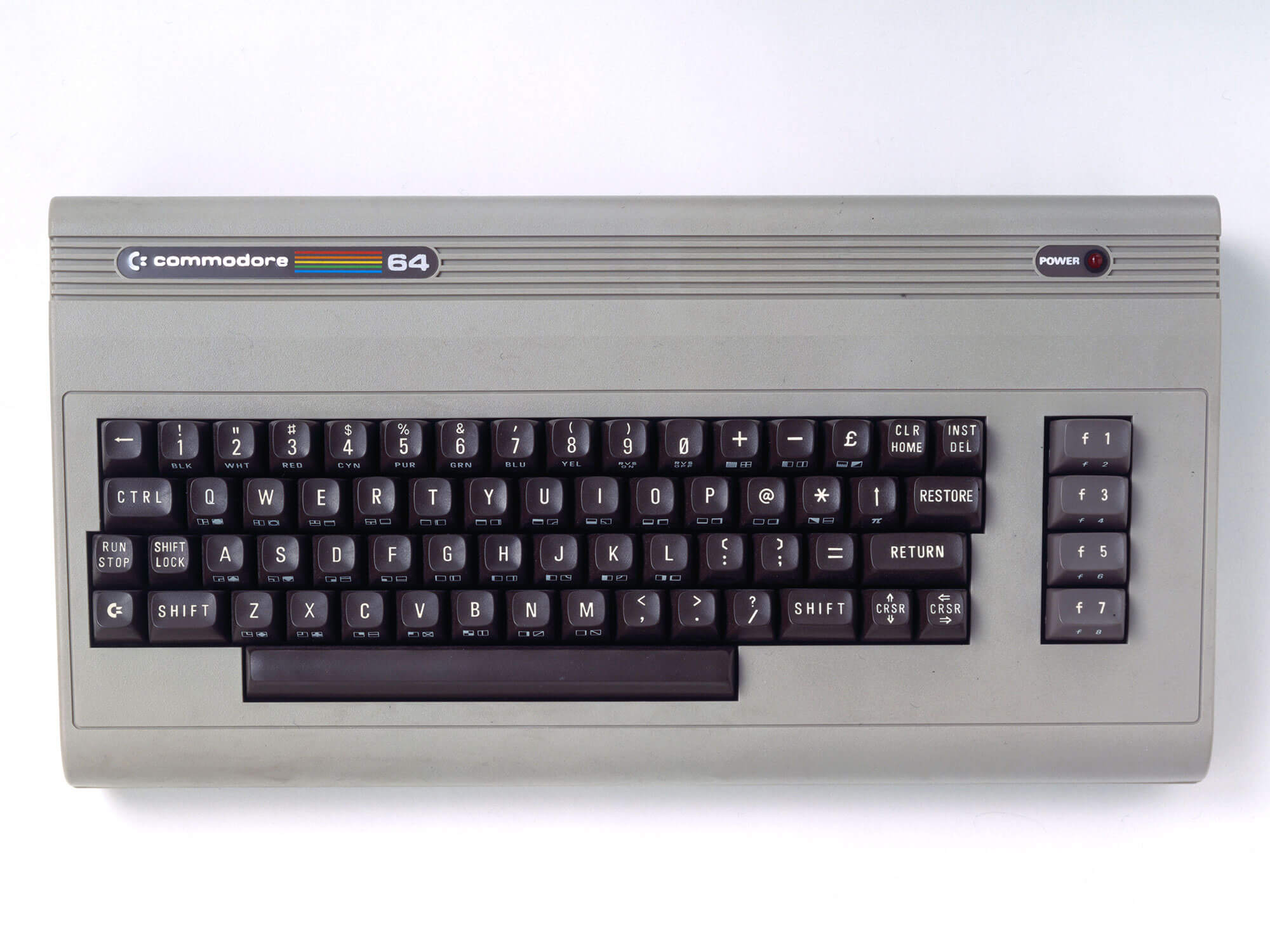 💾
💾
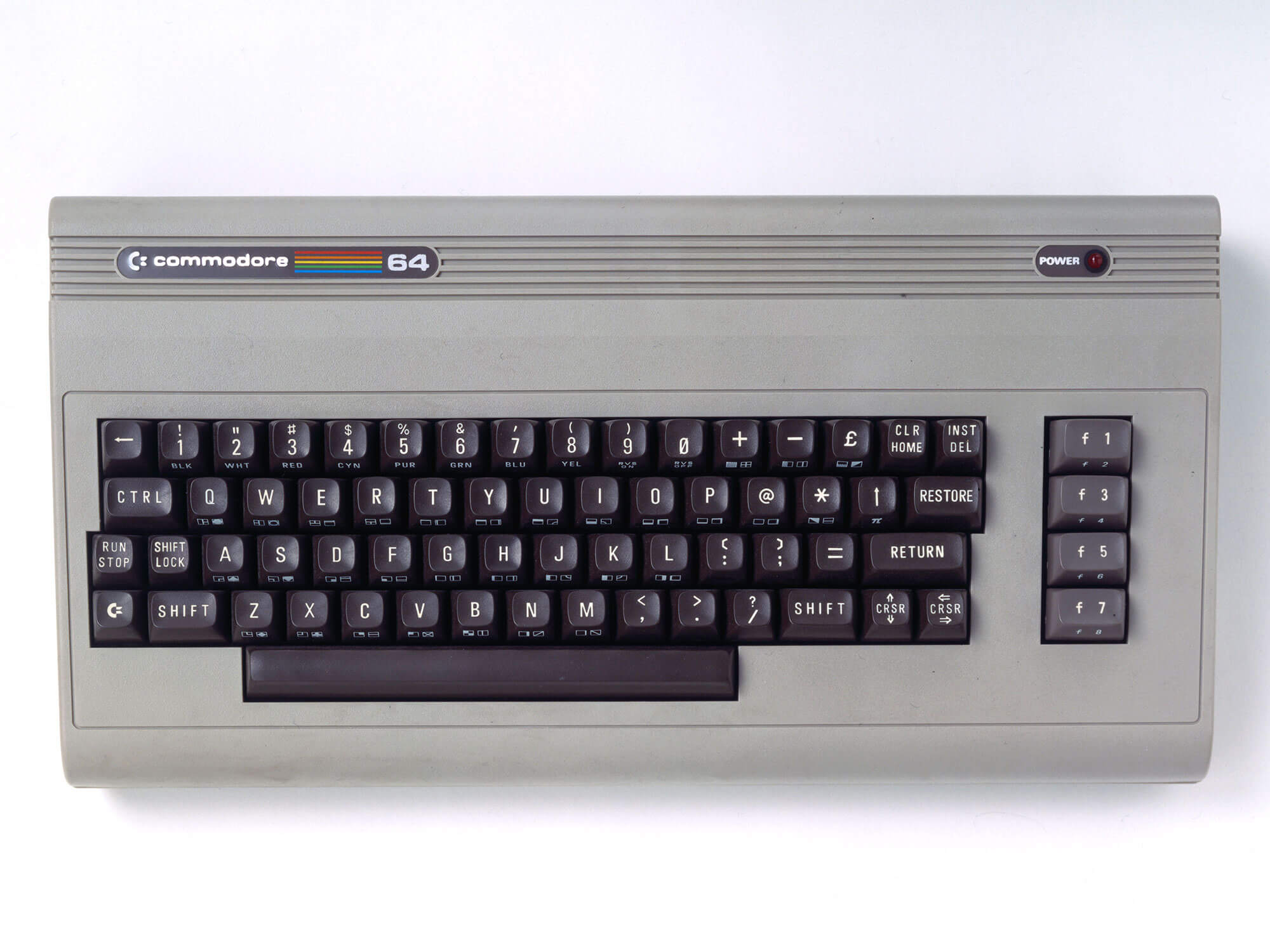
Commodore 64
The world's best-selling home computer — 17 million units sold. SID chip music, cassette loading and all.
Commodore 64 ▶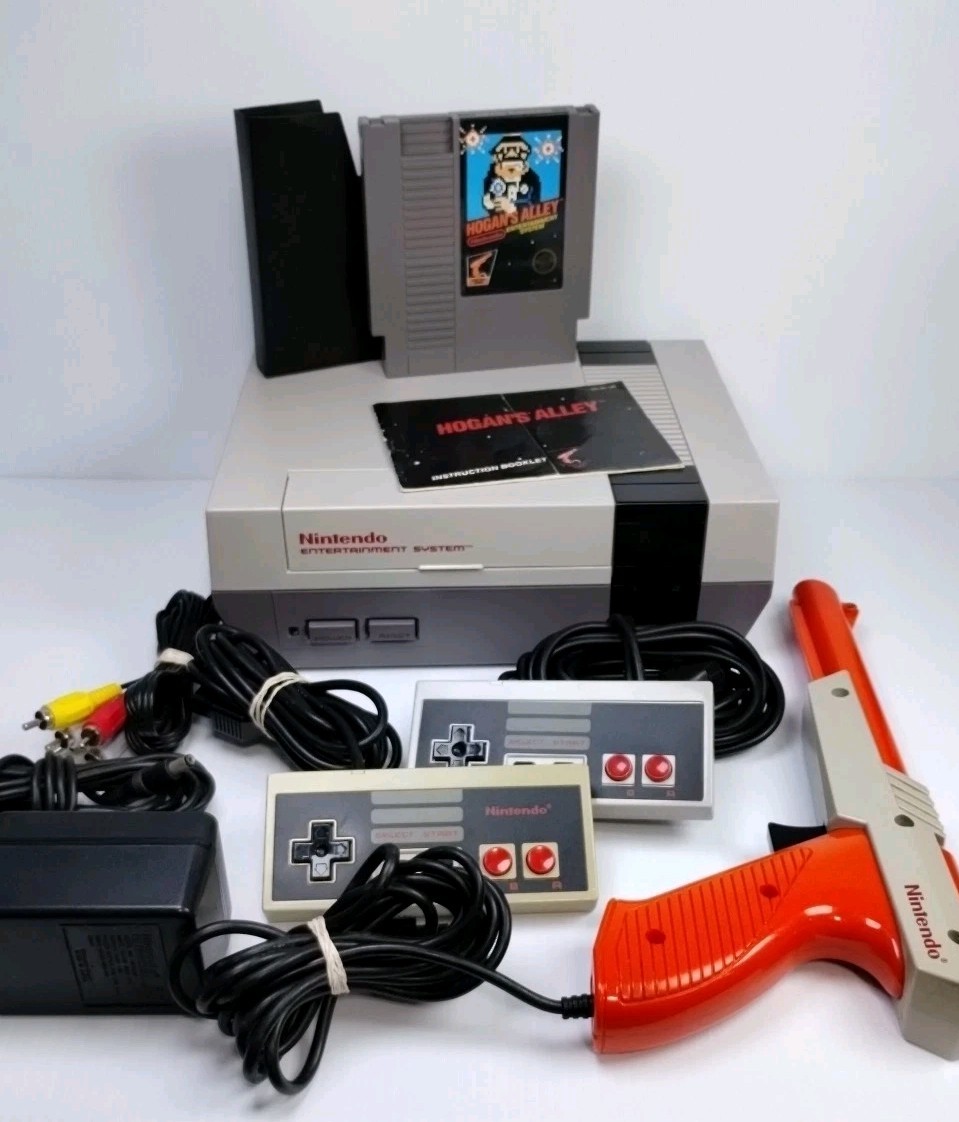 🎮
🎮
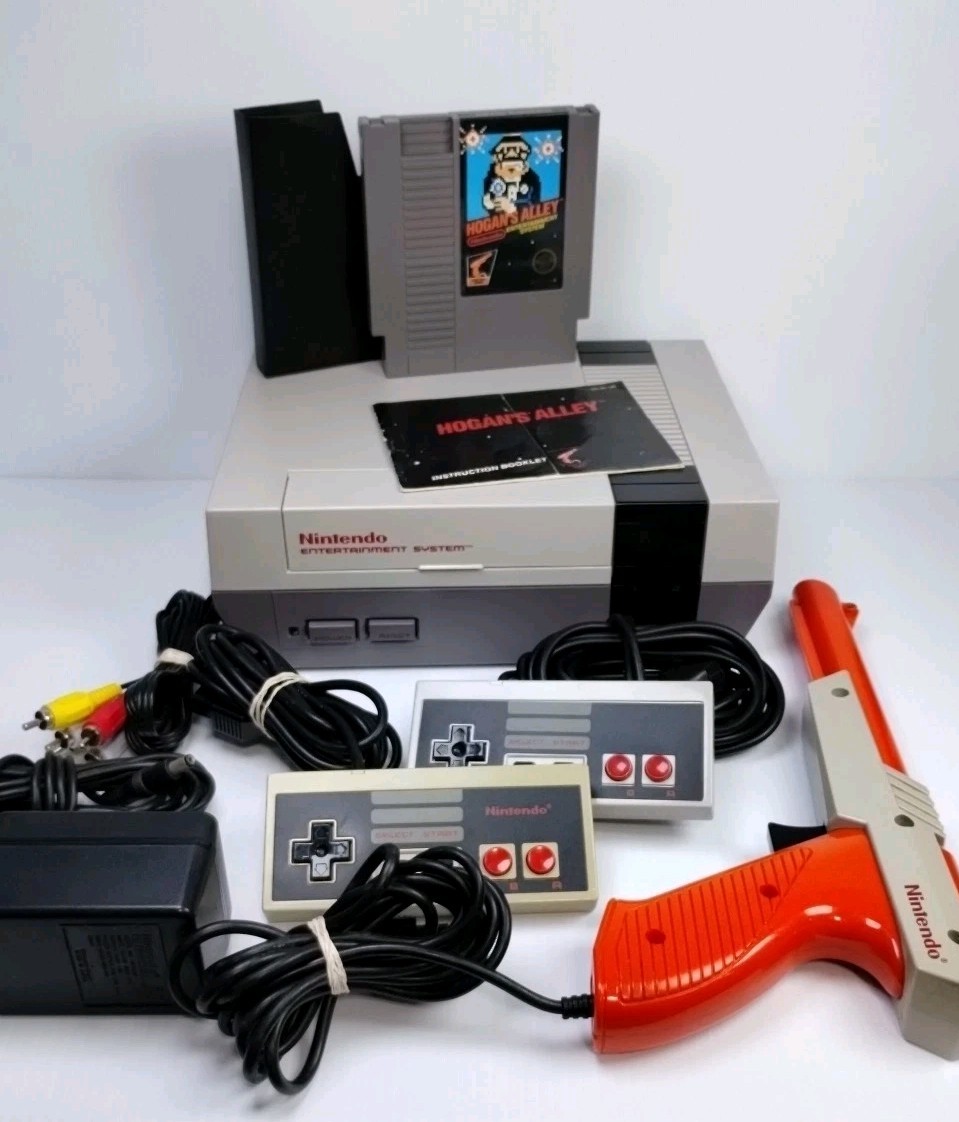
Nintendo (NES)
Super Mario Bros., The Legend of Zelda, Metroid — Nintendo's NES revived the games industry after the 1983 crash.
Nintendo NES ▶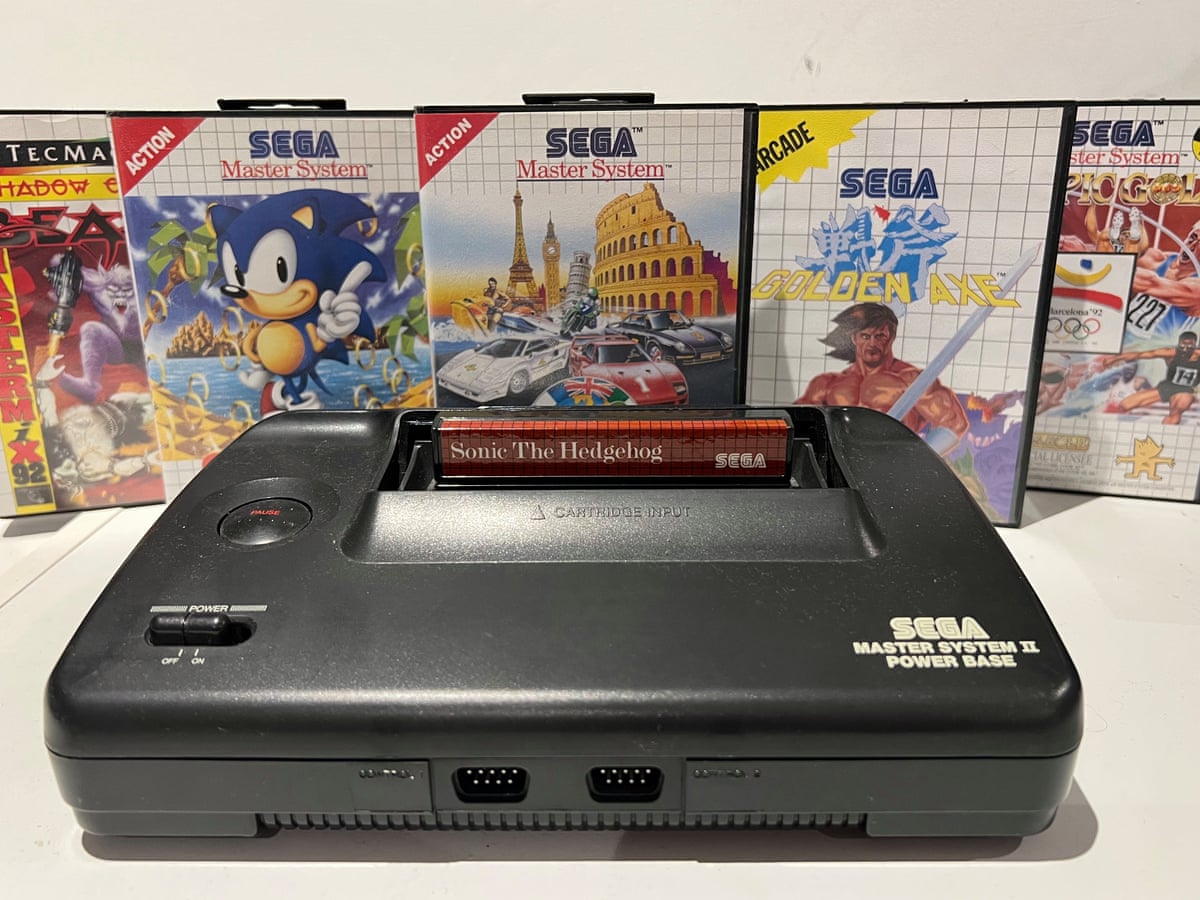 ⚡
⚡
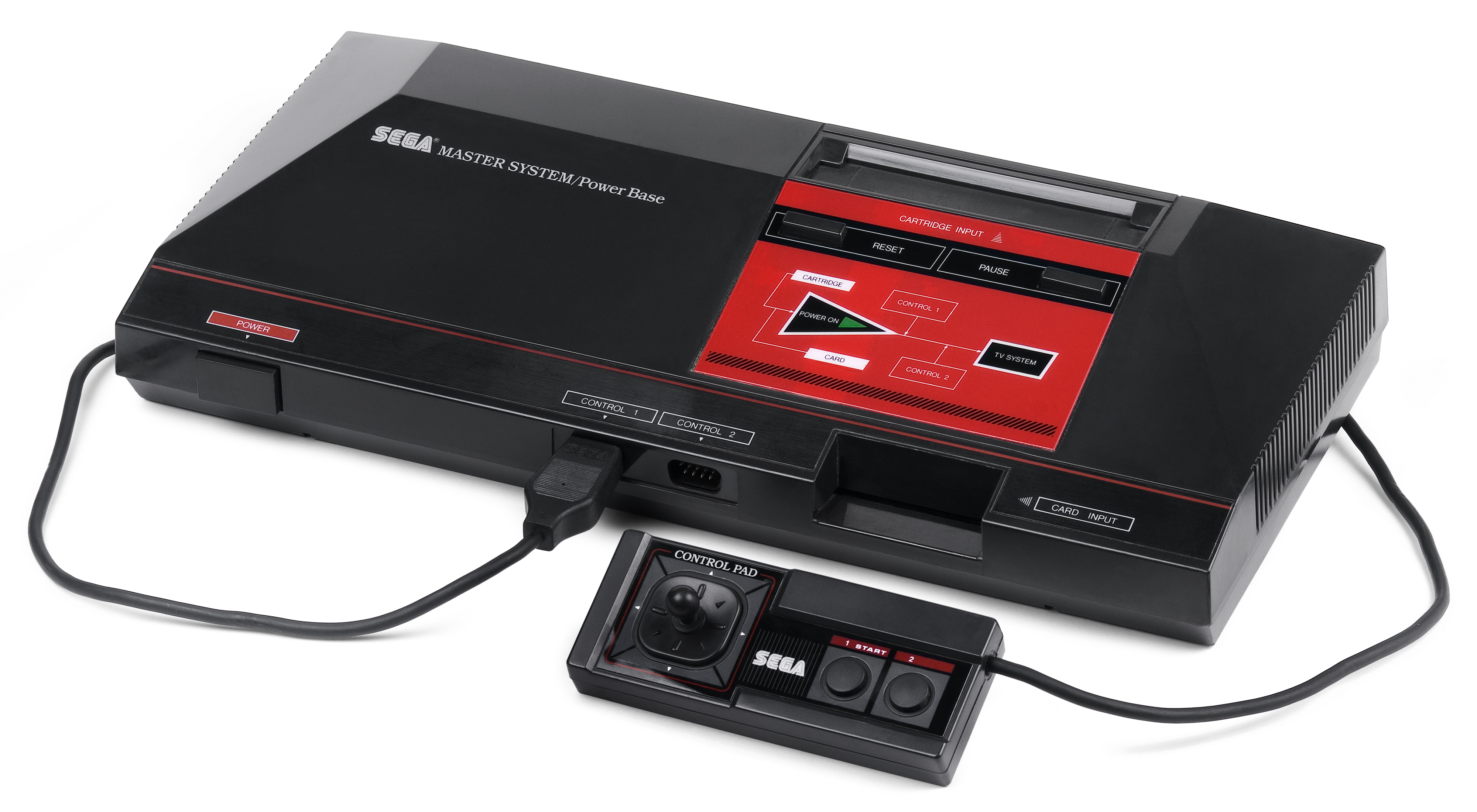
Sega Master System
Sega's 8-bit powerhouse launched in 1986 — Alex Kidd, Sonic the Hedgehog and a fiercely loyal fanbase.
Master System ▶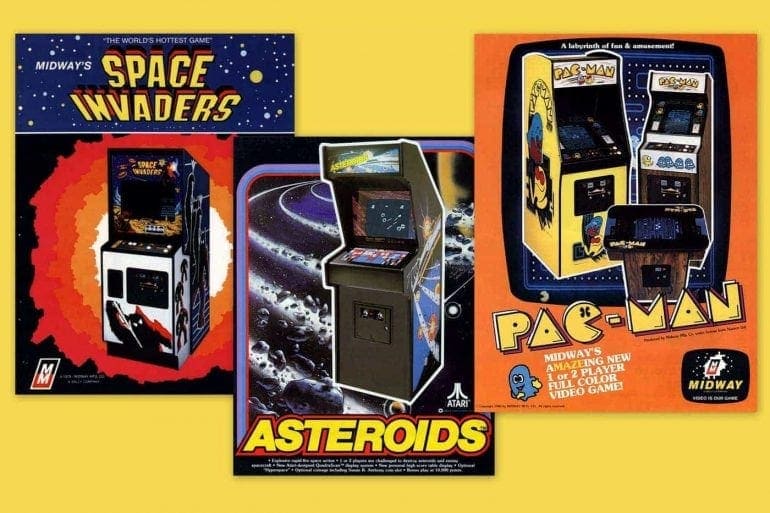 🕹
🕹
Sega Mega Drive
Sega does what Nintendon't. The 16-bit Mega Drive launched in 1988 and took the console wars to a new level.
Mega Drive ▶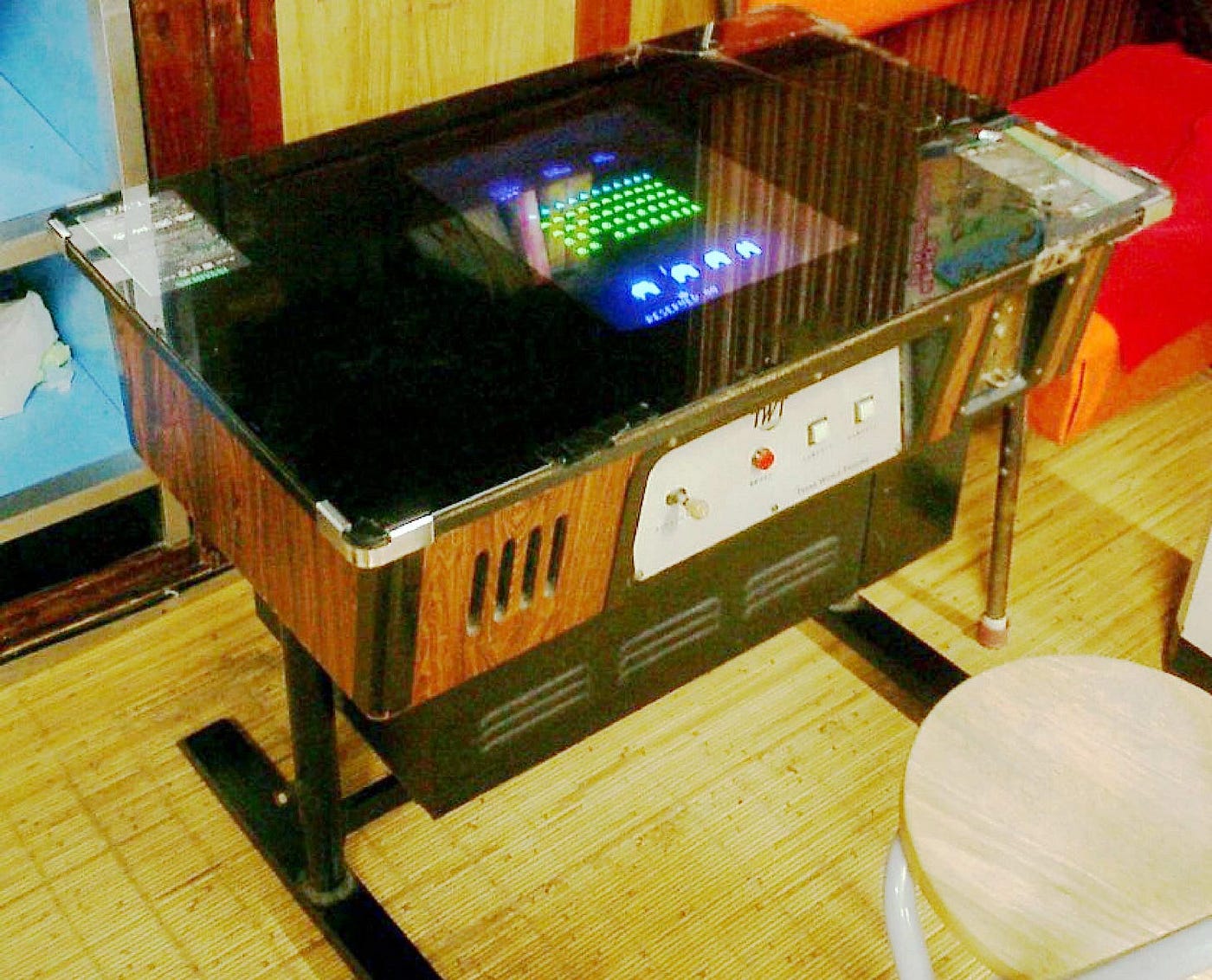 🎲
🎲
Toys & Games
Rubik's Cube, Transformers, He-Man, Cabbage Patch Kids — the toys that defined a childhood in the 1980s.
Toys & Games ▶